
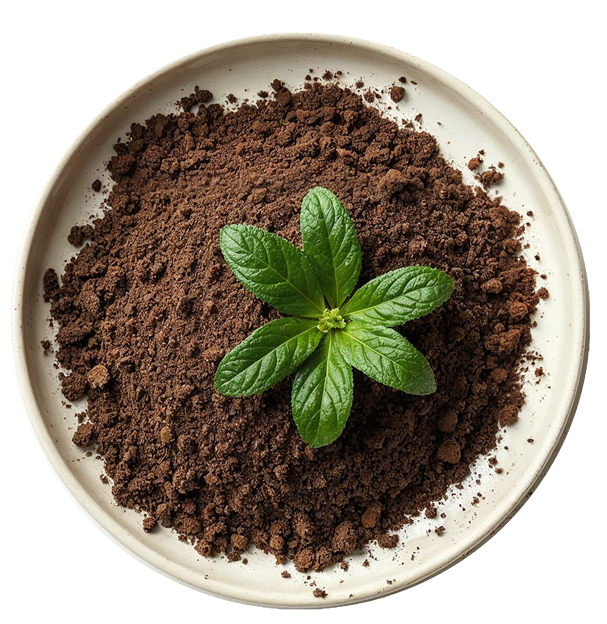
FERTILIZER FOR ORGANIC FARMING
In the world of agriculture, the demand for sustainable and eco-friendly solutions is growing, and one of the latest trends is the use of frass, an organic fertilizer derived from black soldier fly larvae (*Hermetia illucens*). This innovative product not only enhances soil fertility but also contributes to waste reduction and environmental conservation.
WHAT IS FRASS?
Frass is the waste produced by black soldier fly larvae, which is used as a natural fertilizer. These larvae feed on organic waste, including food scraps and manure, and after completing their life cycle, their waste contains a high level of nutrients beneficial for plants. Frass is rich in nitrogen, phosphorus, potassium, and other essential micronutrients, making it an ideal addition for improving soil quality.
ENVIRONMENTAL BENEFITS
One of the key advantages of using frass is its ability to recycle organic waste. Instead of ending up in landfills, waste is used as food for larvae, which convert it into valuable nutrients. This process not only reduces the amount of waste sent to landfills but also lowers the greenhouse gas emissions that occur from the decomposition of organic material.
Additionally, frass is a natural product that does not contain chemical additives or pesticides, making it safe for use in organic farming. Farmers who use frass can be confident that they are not harming the environment while simultaneously improving the fertility of their soils.
APPLICATION IN AGRICULTURE
Frass can be used in various ways in agriculture. It can be applied as a base fertilizer before planting or as a supplement during plant growth. Its high nutrient content helps improve plant growth, increase yields, and enhance crop quality.
Farmers who use frass report better plant development and improved soil health. Additionally, this product can help reduce the need for synthetic fertilizers, further contributing to the sustainability of agricultural production.